A Magical Game Called Magic: the Gathering (Paper)
- caderboden
- Apr 28, 2024
- 9 min read

Updated: Jun 4, 2025
Overview
Magic the Gathering (MTG) a complicated trading cards game (TCG) in which your objective is to beat your opponent(s) by either lowering their life total to zero or winning the game in other ways. AT first glance magic seems like a fairly easy game to get into, but when you dive into the game there are many more complications to how you play. I've been playing the game for over 3 years now and I still have much more I still am learning about the rules.
MTG since learning it has been a game that has really intrigued me and dragged me into its fun and addictive clutches. Its a game that I really enjoy teaching others and love to use to meet more people.
As I think the game of magic is somewhat hard to understand so in this post I will be giving a fairly broad overview along with my personal opinions with the game.
Formats
In MTG there are many different formats in which you can choose to play some only exist on their digital application Magic the Gathering Arena which I personally think gives a different but also similar experience to the paper version. These different formats include:
Standard Pioneer Modern Legacy Vintage Commander Oathbreaker Pauper Alchemy Explorer Historic Timeless
For me my personal favorite formats are Modern and Commander. Modern was the first format that I got into as it was what my friends introduced me to in college and was what first hooked me into the game. Commander is the format I play the most and what keeps me hooked on the game the most as it is not only fun to play due to its extended legality card list as well the long lasting games that lets me converse and meet many new people.
Modern is a 60+ card format in which your deck can contain up to 4 copies of the same card while commander is a 100 card singleton format.
Game Play
Magic: The Gathering core gameplay is split into many different phases. The phases consist of Untap, Upkeep, Draw Step, Precombat Main Phase, Combat Step, 2nd Main Phase, and End Step.
Untap: This phase is the very beginning of your turn before you can do anything or any triggers will activate. This phase is instantaneous, while you cannot directly respond to anything untapping there are certain cards that exist that gain effects from the untap step which are usually static abilities existing on artifacts such as one of my favorite cards Mesmeric Orb or in very rare circumstances some creatures may have effects such as the Ninth Doctor from the Universes Beyond: Doctor Who Crossover.
Draw Step: This step is when the player would be drawing their first card for turn. Nothing much usually happens here, but there are few cards that may manipulate this step to cause players to draw extra cards on their turn.
Precombat Main Phase: This phase is where most of the game play ends up happening. During the main phases is the timing where the current player is able to play their artifacts, creatures, other card types without instant speed timing effects. Whenever playing in this phase its always important to know if your opponents have mana open for interaction because sometime it might make the player want to push of their plans and prepare their moves carefully. While part of the game is to cast your spells and combo off, you don't have to use all your resources in your arsenal as fast as possible.
Combat Step: Like the turn, the combat step is separated into different smaller steps. First is the beginning of combat where certain triggers would go on the stack simply from progressing to combat. Once resolved and priority is passed you will move to the declare attackers step in which the current player may declare which creatures will be attacking who. During this phase all creatures need to be declared which player they are attacking at the same time. Next it moves to the blockers phase in which the opponents being attacked get to choose which of the creatures they will block with from their board if any. Passing through blockers we reach the damage step, this is where each creature will carry out the damage at the same time and whatever damage will affect life totals. Under certain circumstances there may be an added step considered first strike damage. This is before normal damage which allows creatures to get around certain keywords or attempt to kill the opposing creature before they can be attacked. Lastly, the end of combat step in which the players can carry out any last interactions before passing to the next main phase. As the player attempts to pass through each of these steps the priority is passed for the other players or the current player to take any actions that can be carried out at instant speed.
2nd Main Phase: Similar to the precombat main phase it obeys the same rules of timing and it is where the player may finish the last spells that they want to cast for turn.
End Step: This is the last phase before the turn would end. There are many abilities that say effects will end at the beginning of this step, you have to sacrifice or exile things during this phase. It is also usually the opportune moment that opponents will do some final interactions before it moves to their turn.
Card Layout
Name: Every MTG card has a card name unique to it
Color: A card can me mono-colored, colorless, or multicolored. If it is colored it will be 1 or more of 5 different colors White (W), Blue (U), Black (B), Red (R), or Green (G). Color can sometimes be important as it can affect how they are able to interact with other pieces that show up in game such as evasion.
Casting Cost: The casting cost of a card accounts for how much mana you would need to cast a card as well as what specific types of mana is needed to cast said cards. Depending on the amount of mana needed it can determine how much mana you would need to accumulate to play the game. The cost is located in the top right corner of the card next to the name.
Type: A card has many types such as card types, supertypes, creature types, artifact types, etc. typing can sometimes be very important to a card as it can change how much synergy it would have with the type of deck you play such as if your playing tribal which is around a specific creature type.
Power/Toughness: In the bottom right corner of the card is the stats of your creature which is there power and toughness. The power determines how much damage your creature would deal to the opposing creature or player. The toughness of the creature shows how much damage needs to be delt to kill the creature. Many elements in the game tend to cause modifications to these statistics to cause greater amounts of damage or make creatures to big to kill off.
Deck Building
To begin all gameplay in MTG it all depends on your deck build and understanding what strategy you are trying to go for. There are a variety of different strategies, though the end goal is either your opponents being lowered to 0 life or winning through some alternative win condition. My preferred playstyle is combining different cards abilities or effects to make drastic effects happen to the board or the players at the table. In MTG your deck will mainly consist of some of the following:
Lands: These are cards that you tap to produce the types of mana you need to play your deck in almost all decks it is vital to have these. Each turn a player can only play one land for turn unless specified otherwise by some effect put in place. Sometimes lands may have abilities in addition to simply producing mana for cards you need. In 60 card decks it ranges between around 23-27lands. If played with more than 60 cards it may range from 36+. (ex. A plains taps for 1 white mana)

Creatures: Creatures are cards that can be use to attack your opponents and block your opponents creatures. Each creature has its own stats representing its power and toughness that when hitting zero toughness would die. Creatures that enter the battlefield will gain summoning sickness which prevents them from attacking pr tapping for effects immediately. Creatures usually come with special triggered or activated abilities that allow them to combo with other effects or just give value to your board state. most decks use creatures as their main source of win con but it does not always consist of beating the opponent but sometimes would use their abilities to pull off the win. (ex. Using Elas il-Kor, Sadistic Pilgrim I drain my opponents for all their life)

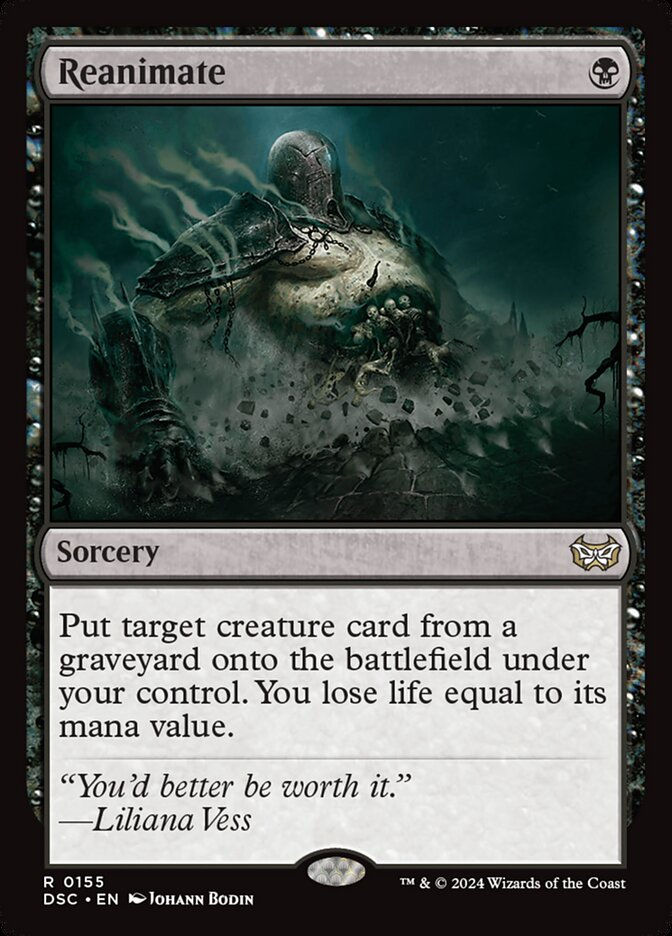
Sorcery: Sorceries are one time effects that you usually would put in your deck to get some advantage on the board state. Additionally, sorceries need to be played during main phases only as their are timing rules to most cards in Magic. An example includes using them to fetch for lands in their deck to make sure they hit the land drop they have each turn as well as to thin the amount of cards that are in their deck to increase the odds of drawing their key pieces to their win condition. Others use sorceries as a way to interact with the board or as simply a win condition which many magic players call these types of players spell slingers. While not my style some seem to be a big fan of the feeling you get from casting so many spells.
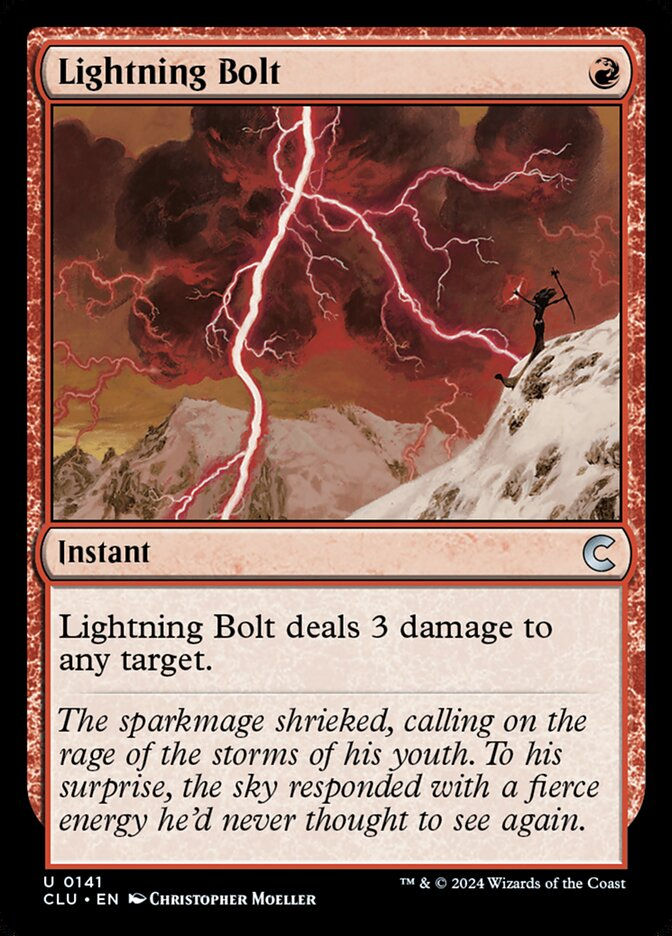
Instants: Similar to sorceries, instants are one time effects mainly meant to give you advantages in boards state. Unlike sorceries Instants can be cast at any time that you have priority in the game. This means you can cast them on your opponents turn, in response to your opponent, and even in response to yourself doing other actions. Due to this timing most of the time instants are forms of removal to take care of problems that appear on board or to simply slow down your opponents progress. Due to the timing of these cards, effects that can be done at any time players refer to them as instant speed effects.
Artifacts: These are cards that have a tap ability, passive affect, and/or an enter the battlefield effect (ETB). Most of time these cards tend to be colorless most of time and unlike creatures these are have no toughness or power and are unaffected by summoning sickness and can be use the moment they hit the board. There is a range of different type of artifacts including creatures that are artifacts in addition to their other affects. Mana rocks, or artifacts that tap for mana I find are the most often used in most decks as they speed up your gameplay by helping you get your mana base needed to play cards much faster.

Enchantments: These are cards that stay on the board that give you a constant effect, triggered ability or an activated ability that doesn't require tapping the permanent. Enchantments often have two different types of effects Utility and Removal. Utility usually would consist of modifier effects such as increasing card draw, doubling tokens, mana increase, or similar types of effects. Removal enchantment would usually be enter the battlefield effects that would exile something until the enchantment leaves the battlefield. Utility Enchantments are the most common types you will encounter in different types of decks and what I mostly use when it comes to using enchantments.

Planeswalkers: Similar to the player, planeswalkers can be chosen as targets to attack during combat, though unlike them planeswalkers only have a list of loyalty abilities in which they can activate which usually have a powerful effect on the board state. I find that while planeswalkers are enjoyable to play, they usually have the same playstyle with slight alterations dependent on which of the planeswalkers you decided to use considering there are over 200 of them.

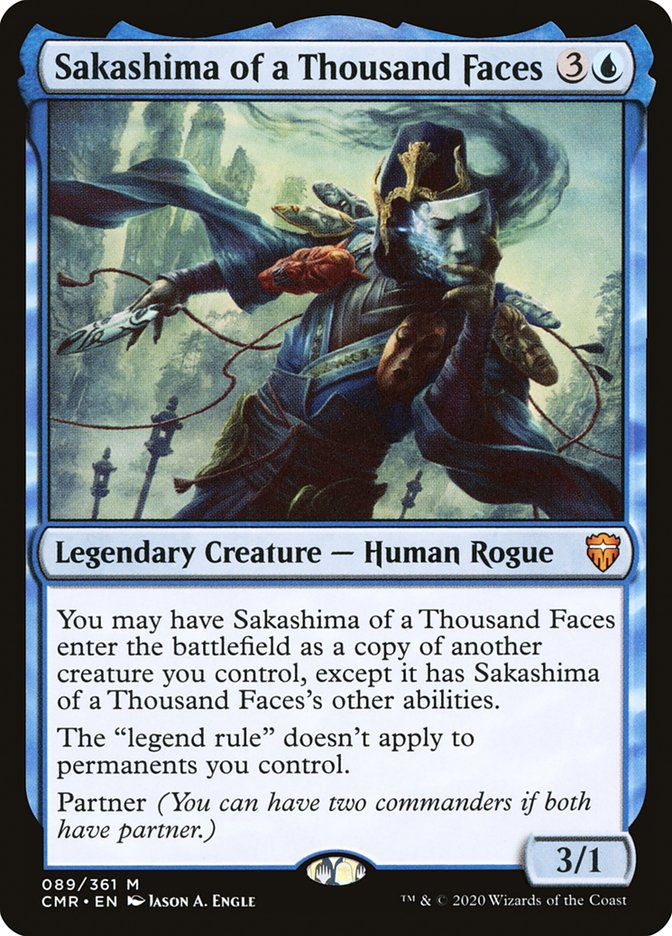
Commander: In Commander, Brawl, and Oathbreaker, you possess a commander in addition to your normal deck. The commander is usually the center piece to the strategy you are going for in this format as having a commander introduces additional rules that let you bring out your commander again and again despite how efficiently it gets removed from the game. The main commanders I prefer in my games the most is Jodah, the Unifier, Sakashima of a Thousand Faces, Ratadrabik of Urborg, and a recent addition is Azlask, The Swelling Scourge
Stack
Lastly, in Magic: The Gathering, the stack I find is one of the most complicated mechanics of the game as almost everything uses it and it can be used in a variety of complicated ways. Everything when it comes to casting, activations, or triggers, they all need to go onto the stack in order to resolve. Like many other things, the more one uses the stack it grows much easier to understand and you can do many more creative combinations.
Conclusion:
Magic: The Gathering is my favorite TCG that I have really enjoyed ever since I got into it a few years back. While the game is very complicated, it is one of the reasons that it keeps me so intrigued in continuing to play the game. Because even when you feel you know most of it, there is something new you discover. I can understand this game being hard for certain people to get into, I believe that if they can get through learning curve they would really enjoy the game.

Comments