SpiritSong
- caderboden
- Mar 30, 2023
- 4 min read

Engine: Unity
Genre: Adventure, Puzzle
Project: Collaborative Demo
Job: Level and Puzzle Designer
Spritsong is a 3D musical adventure where spirits that reside in instruments are scattered across the land. You, a conductor spirit, must use a revitalized mobile pavilion to solve various puzzles and assemble your orchestral family.
My friends and I, alongside an official staff member, created this game during the 2021 Rad Mag Pie Program, which took place during the summer. We tried to go with heartwarming, happy, family-friendly fun when approaching this game.
Video/Trailer
Level Process:
Sketching
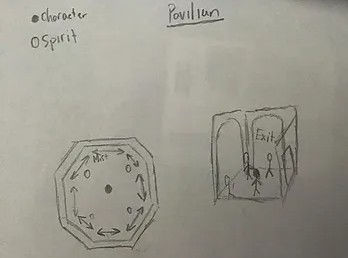
I was first tasked with developing a design for the inside of the Pavilion and the level. I brought forth this design which the team thought looked good. A few alterations had to be made, but it created an excellent environment for each instrumental character to stay in.
Landscape
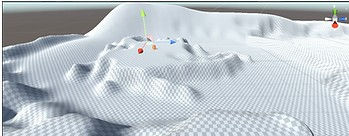
To create a hill/forest area, I used the landscape tool in unity to make a landscape that would be manageable at the time.
Placing Assets
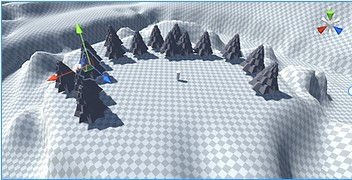
The next step was placing assets (trees, rocks, and logs) into the level to make it more like a forest. To make this fit the forest theme, we thought the most critical assets would consist of rocks, trees, and logs. This part of the process felt the longest as I would need a lot of trees to
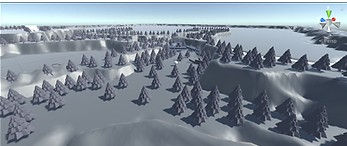
make it forest-like. The biggest issue during this process was finding the
sweet spot between too much and too little because overpopulating with trees could be as bad as having too few trees. The pictures were of when I started importing the assets and when I finished.
Detail Implementation
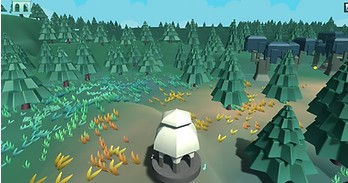
After working with the environmental artist to add color, I moved many assets around to create what it is now. It turned out very well as the final Beta had diverse trees and rocks, and the color helped create the atmosphere.
Puzzle Design Process
Sketches

When doing the puzzles, I was tasked to bring some ideas forward that we could consider doing, and I ended up bringing forth a few sketches. After discussing with the team, they thought they were neat ideas but not exactly what they sought. After talking, I created puzzles everyone could enjoy that was pretty easy, and my partners felt they could program. I like creating puzzles that make my players
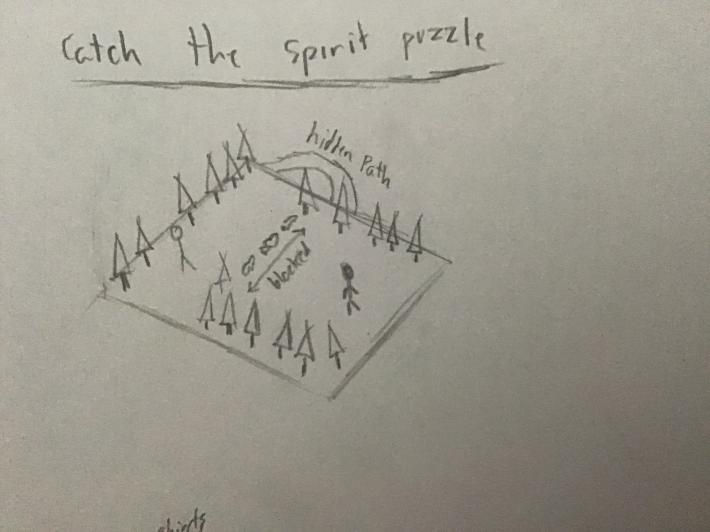
think to solve the puzzle, but my group wanted to have them much more straightforward than I had hoped, even when compromising.
Puzzle 1

When creating the first puzzle, the idea was to create a collection puzzle to summon the spirit that gives you the ability to jump, the Violin Spirit. I decided we would have 3 locations where minor spirits reside that the player would collect to form the violin spirit. I wanted to use more rocks and hilly areas to hide some spirits as they felt too much in plain sight. Still, our mentor thought I was trying to make the puzzle more complicated than it should be, or some group members thought it made the design look strange.
Puzzle 2:

The concept of puzzle 2 was Simon says, in which the player would follow a string of notes that would make the spirit leap down from its log for the player to collect. During the design process, we labeled each button to help explain the pattern as
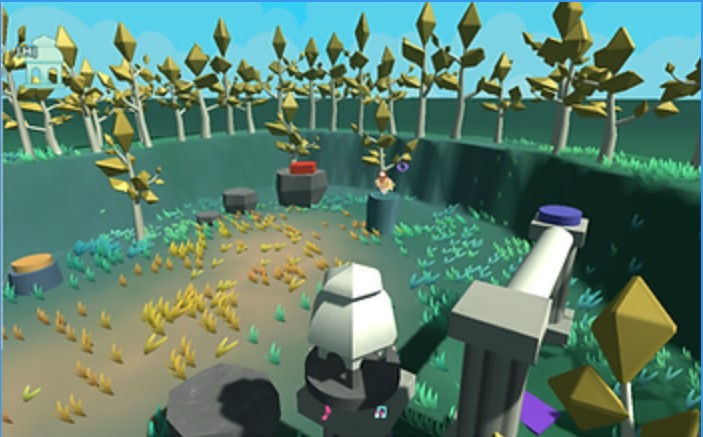
shown in the first picture. For reference, the answer is 1-2-3-1-4-1.
When going back to refine, I found that one of the significant issues was that some of the buttons were too high or too low into the ground for the players to activate the collision box properly. It didn't help that the programmer was having movement issues then. After those changes, it came time to add color to bring about the context clues and make it look far more polished. This included matching the colored notes with the buttons for the player to solve.
Puzzle 3:
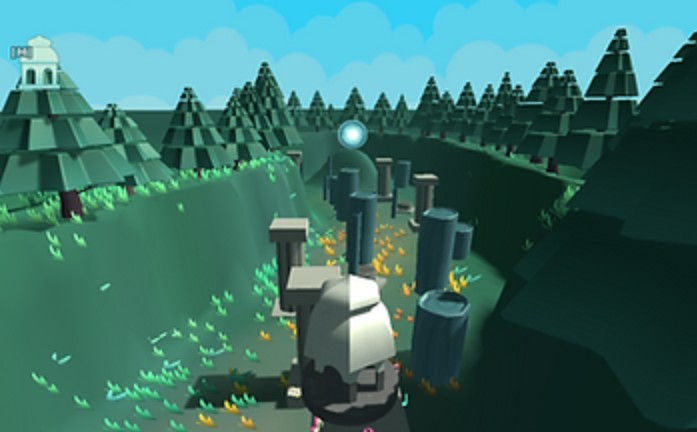

The concept of the third puzzle combined the jump and the dash mechanic. Using multiple logs and pillars, the player would jump one by one across to reach the portal at the end of the demo. The most significant part I had to look out for when making this part of the game was the amount of space between pillars. For the person to even make it to the checkpoint or end, they would need to be able to reach the posts and logs, so making creating the proper distance required a lot of playtesting over and over again. At first, it was a little simple, so I added a second path with much smaller platforms that the player could try and take. That leads to the end of the game.
What I did | What I learned |
Level Design: - Sketching of Level Concepts - Grayboxing - Placement of Assets in the Game | - Learned that both having to much of something or to little can both have negative impact on the environment of a game |
Puzzle Design: - Sketch Puzzle Ideas - Discuss and adapt puzzle ideas - Implement Puzzles into level | - Depending on the game, puzzles should be easy - Make sure to have good diversity in the environment - Understanding your partner's capabilities can help you understand the limitations of puzzles - it never helps to keep playtesting if unsure of something |

Comments